Category: Buying Guides

Comparison and intent-based buying guides to help readers make informed decisions

  • AR-15 Bolt Carrier Group (BCG) Guide: What to Look For & Why It Matters

    AR-15 Bolt Carrier Group (BCG) Guide: What to Look For & Why It Matters

    โธป

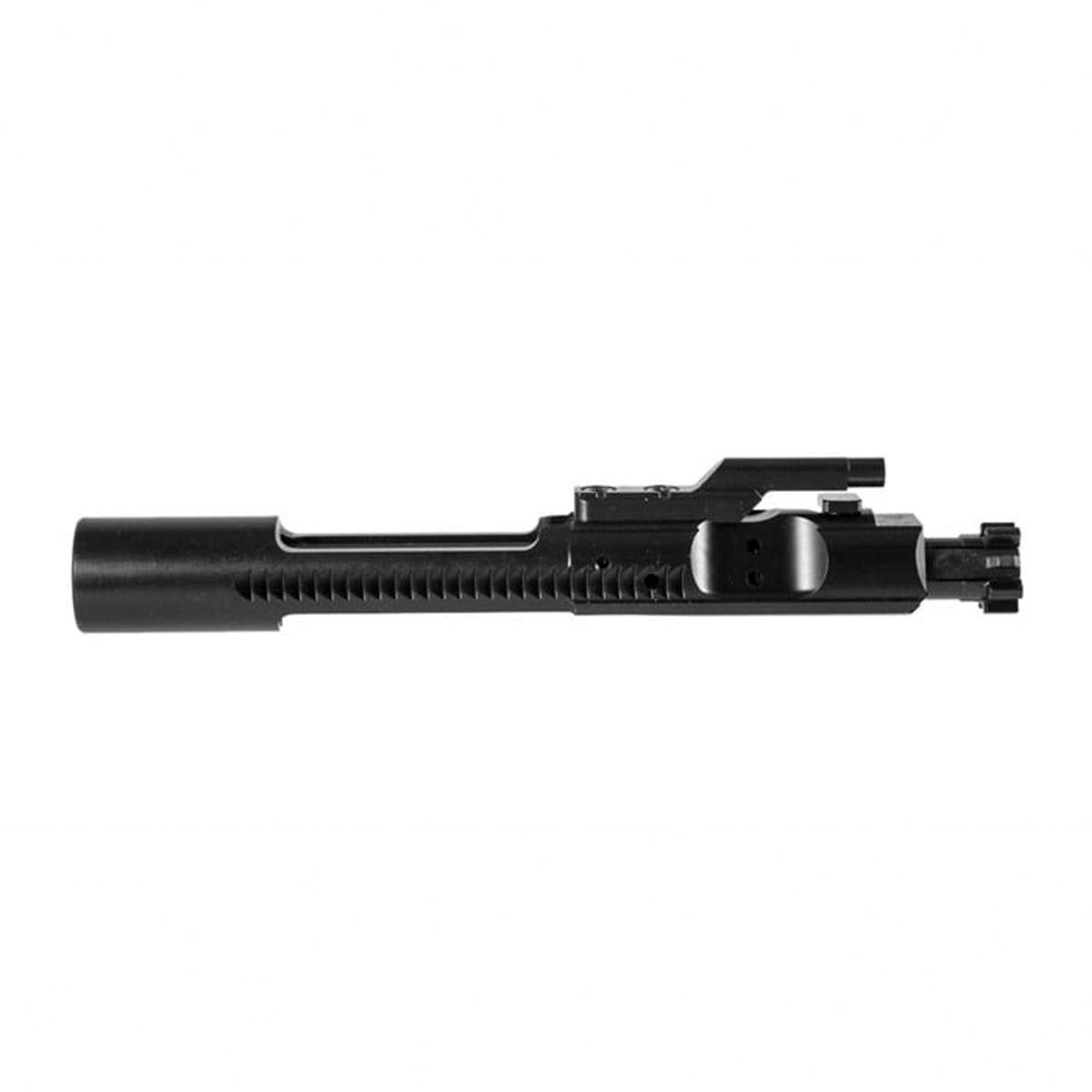
    The bolt carrier group (BCG) is the heart of your AR-15.

    It handles chambering, firing, extracting, and ejecting every round. If your BCG fails, your rifle fails.

    While itโ€™s not the most exciting upgrade, itโ€™s one of the most important components in terms of reliability and longevity.

    In this guide, weโ€™ll break down:

    โ€ข What a BCG actually does

    โ€ข The difference between M16 and AR-15 BCGs

    โ€ข Proper materials and coatings

    โ€ข What specs actually matter

    โ€ข What to avoid

    โธป

    What Does the Bolt Carrier Group Do?

    The BCG performs four critical functions:

    1. Strips a round from the magazine

    2. Chambers the round

    3. Fires the round (via the firing pin)

    4. Extracts and ejects the spent casing

    It cycles back and forth every time you pull the trigger. It absorbs heat, pressure, and stress with every shot.

    Thatโ€™s why quality matters.

    โธป

    M16 vs AR-15 Bolt Carrier

    Youโ€™ll often see โ€œM16 BCGโ€ listed for sale.

    Hereโ€™s what that means:

    โ€ข An M16 BCG has slightly more mass at the rear

    โ€ข Itโ€™s generally considered more durable

    โ€ข It works perfectly fine in a semi-auto AR-15

    For most buyers, an M16-profile BCG is preferred because the added mass can slightly improve reliability and smoothness.

    There is no downside in a standard AR-15 build.

    โธป

    Materials That Matter

    The best BCGs use:

    โ€ข Carpenter 158 steel (for the bolt)

    โ€ข 9310 steel (acceptable alternative)

    โ€ข Proper heat treatment

    โ€ข Shot peening

    โ€ข High Pressure Tested (HPT)

    โ€ข Magnetic Particle Inspected (MPI)

    If a manufacturer doesnโ€™t list these specs, thatโ€™s a red flag.

    This is not the place to cut corners.

    โธป

    Gas Key & Staking (Very Important)

    The gas key must be:

    โ€ข Properly staked

    โ€ข Securely attached

    โ€ข Aligned correctly

    Poor staking is one of the most common causes of failures in cheaper rifles.

    If the screws loosen, your rifle stops cycling properly.

    Good staking = long-term reliability.

    โธป

    Coatings: Do They Matter?

    Youโ€™ll see several coating options:

    โ€ข Phosphate (standard mil-spec)

    โ€ข Nitride

    โ€ข Nickel Boron (NiB)

    โ€ข DLC / premium coatings

    For most users:

    Phosphate or nitride is completely fine.

    Nickel Boron can make cleaning easier but isnโ€™t required for performance.

    Reliability > flashy coating.

    โธป

    When Should You Upgrade Your BCG?

    Upgrade if:

    โ€ข Youโ€™re building from scratch

    โ€ข Your rifle came with an unknown budget BCG

    โ€ข You want improved long-term durability

    If your current BCG runs reliably and meets proper specs, thereโ€™s no urgent need to replace it.

    โธป

    How This Connects to Your Build

    The BCG works closely with:

    โ€ข Your gas system length

    โ€ข Your buffer weight

    โ€ข Your barrel length

    โ€ข Your overall tuning

    This is why AR-15 components should be chosen as a system โ€” not randomly.

    โธป

    What Should You Choose?

    For most buyers:

    โ€ข M16 profile

    โ€ข Carpenter 158 bolt

    โ€ข HPT/MPI tested

    โ€ข Proper staking

    โ€ข Phosphate or nitride finish

    That gives you reliability without overspending.

    โธป

    Not Sure Which AR-15 Setup Is Right for You?

    For a complete breakdown of gas systems, twist rates, and rail options, read our full guide:

    The Ultimate AR-15 Buyerโ€™s Guide (2026): What You Need to Know Before You Buy

    Related Articles

    โ€ข Gas System Guide

    โ€ข Barrel Length Guide

    โ€ข Buffer Weight Guide

    โ€ข AR-15 Buyer Guide

  • AR-15 Trigger Guide: Mil-Spec vs Drop-In vs Two-Stage โ€” What Should You Choose?

    AR-15 Trigger Guide: Mil-Spec vs Drop-In vs Two-Stage โ€” What Should You Choose?

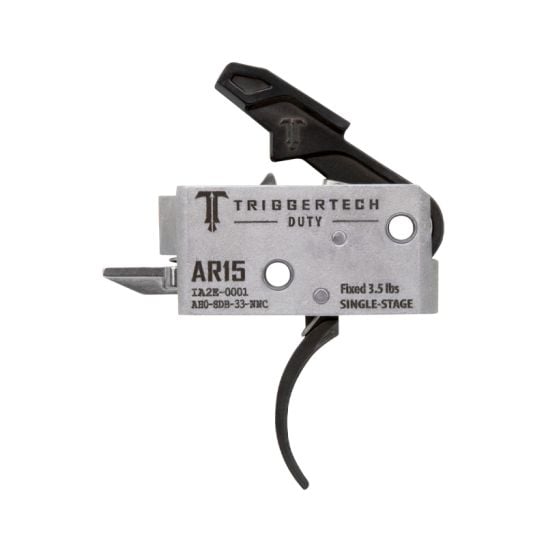
    One of the most noticeable upgrades you can make to an AR-15 is the trigger.

    While many factory rifles come with a standard โ€œmil-specโ€ trigger, upgrading your trigger can dramatically improve accuracy, control, and overall shooting experience.

    In this guide, weโ€™ll break down:

    โ€ข Mil-Spec Triggers

    โ€ข Drop-In Triggers

    โ€ข Single-Stage vs Two-Stage

    โ€ข What actually matters for most shooters

    โธป

    1. What Is a Mil-Spec Trigger?

    A mil-spec trigger is the standard trigger found in most factory AR-15 rifles.

    Typical Characteristics:

    โ€ข 5.5โ€“8 lb pull weight

    โ€ข Noticeable creep

    โ€ข Gritty break

    โ€ข Reliable and durable

    Pros:

    โ€ข Affordable

    โ€ข Extremely durable

    โ€ข Good for defensive use

    โ€ข Reliable in harsh conditions

    Cons:

    โ€ข Heavy pull weight

    โ€ข Less precise

    โ€ข Not ideal for precision shooting

    Best For:

    โ€ข Budget builds

    โ€ข Defensive rifles

    โ€ข Shooters who donโ€™t mind a heavier pull

    For most casual shooters, a quality mil-spec trigger is perfectly usable.

    โธป

    2. Single-Stage vs Two-Stage Triggers

    This is where many buyers get confused.

    Single-Stage Trigger

    A single-stage trigger has one consistent pull until it breaks.

    Feel: Smooth pull โ†’ break.

    Pros:

    โ€ข Fast

    โ€ข Simple

    โ€ข Great for close-range shooting

    Best For:

    โ€ข Home defense

    โ€ข Tactical builds

    โ€ข Range use

    โธป

    Two-Stage Trigger

    A two-stage trigger has:

    1. A light first stage (take-up)

    2. A defined second stage break

    Feel: Light take-up โ†’ wall โ†’ crisp break.

    Pros:

    โ€ข More control

    โ€ข Better for precision

    โ€ข Cleaner break

    Best For:

    โ€ข 18โ€ or 20โ€ builds

    โ€ข Precision shooting

    โ€ข Hunting

    If youโ€™re pairing your rifle with an LPVO, a two-stage trigger often makes sense.

    โธป

    3. Drop-In Triggers (Cassette Style)

    Drop-in triggers come as a self-contained unit that installs easily into your lower receiver.

    Pros:

    โ€ข Very crisp break

    โ€ข Easy installation

    โ€ข Consistent pull weight

    โ€ข Often lighter (3โ€“4.5 lb)

    Cons:

    โ€ข More expensive

    โ€ข Not always necessary for casual shooters

    Best For:

    โ€ข Precision builds

    โ€ข Competitive shooting

    โ€ข Shooters who want the cleanest break possible

    โธป

    4. Pull Weight: How Light Is Too Light?

    For most AR-15 builds:

    โ€ข 5โ€“6 lbs โ†’ Safe and versatile

    โ€ข 3.5โ€“4.5 lbs โ†’ Precision-focused

    โ€ข Under 3 lbs โ†’ Specialized use only

    For defensive rifles, extremely light triggers are usually unnecessary.

    โธป

    5. Do You Actually Need to Upgrade?

    Hereโ€™s the honest answer:

    If youโ€™re shooting casually at the range and running a red dot โ€” probably not.

    If youโ€™re stretching your rifle to 300โ€“500 yards with magnification โ€” yes, a better trigger can absolutely help.

    Triggers become more important as:

    โ€ข Barrel length increases

    โ€ข Magnification increases

    โ€ข Precision expectations increase

    This ties directly into your barrel length and optic choice.

    โธป

    What Should You Choose?

    Keep Mil-Spec If:

    โ€ข Youโ€™re on a budget

    โ€ข Youโ€™re building a defensive rifle

    โ€ข You donโ€™t care about precision groups

    Upgrade to Single-Stage If:

    โ€ข You want smoother shooting

    โ€ข You value speed

    Upgrade to Two-Stage If:

    โ€ข Youโ€™re building a precision rifle

    โ€ข You shoot longer distances

    โธป

    Final Thoughts

    A trigger upgrade wonโ€™t magically make you a better shooter โ€” but it can make your rifle feel dramatically better.

    For most 16โ€ general-purpose AR-15 builds, a quality 4.5โ€“5 lb single-stage or two-stage trigger is the sweet spot.

    Not Sure Which AR-15 Setup Is Right for You?

    For a complete breakdown of barrel lengths, twist rates, and rail options, read our full guide:

    The Ultimate AR-15 Buyerโ€™s Guide (2026): What You Need to Know Before You Buy

  • AR-15 Optics Guide: Red Dot vs LPVO vs Prism โ€” What Should You Choose?

    AR-15 Optics Guide: Red Dot vs LPVO vs Prism โ€” What Should You Choose?

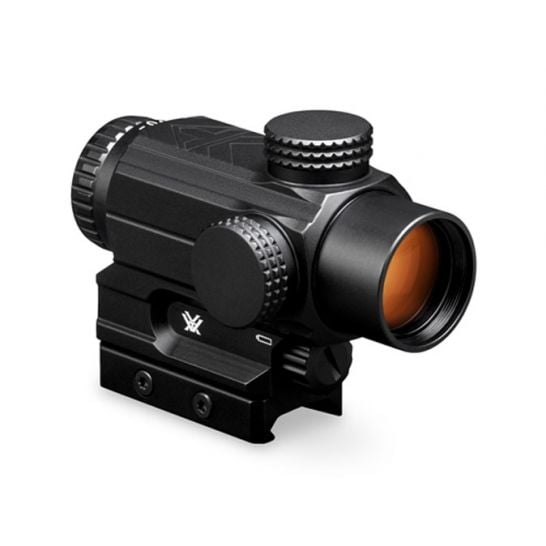
    This AR-15 optics guide will help you choose between a red dot, LPVO, or prism scope depending on your intended purpose.

    โธป

    1. Red Dot Sights

    Red dots are the most common optic choice for AR-15 rifles.

    What They Are

    A red dot sight projects an illuminated aiming point (usually a 2โ€“3 MOA dot) onto a glass lens. There is no magnification.

    Pros

    โ€ข Extremely fast target acquisition

    โ€ข Lightweight

    โ€ข Simple to use

    โ€ข Excellent for close-range shooting

    โ€ข Great for home defense

    Cons

    โ€ข No magnification

    โ€ข Less precise at longer distances (200+ yards)

    Best For

    โ€ข Home defense

    โ€ข Tactical training

    โ€ข Range use under 200 yards

    โ€ข Lightweight builds

    If your AR-15 has a 16โ€ barrel and mid-length gas system, a red dot is often the most practical choice.

    โธป

    2. LPVO (Low Power Variable Optic)

    LPVOs typically range from 1-4x, 1-6x, 1-8x, or even 1-10x magnification.

    What They Are

    An LPVO allows you to dial between true 1x (similar to a red dot) and magnified settings for longer shots.

    Pros

    โ€ข Extremely versatile

    โ€ข Great for 100โ€“500 yard shooting

    โ€ข Better target identification

    โ€ข Ideal for competition or hunting

    Cons

    โ€ข Heavier than red dots

    โ€ข More expensive

    โ€ข Requires proper mounting and eye relief

    Best For

    โ€ข 18โ€ or 20โ€ barrel builds

    โ€ข Hunting

    โ€ข Precision-focused rifles

    โ€ข Multi-purpose rifles

    If youโ€™re running an 18โ€ rifle-length gas system, an LPVO is often the ideal pairing.

    โธป

    3. Prism Scopes

    Prism optics use an etched reticle rather than a projected dot.

    What They Are

    Unlike red dots, prism scopes have a fixed magnification (often 1x, 3x, or 5x) and an etched reticle that works even if the battery dies.

    Pros

    โ€ข Crisp reticle

    โ€ข Works without battery power

    โ€ข Good for shooters with astigmatism

    โ€ข Compact compared to LPVO

    Cons

    โ€ข Fixed magnification

    โ€ข Less flexible than LPVO

    Best For

    โ€ข Shooters with astigmatism

    โ€ข Mid-range shooting

    โ€ข Lightweight precision setups

    โธป

    Mounting Considerations

    No matter which optic you choose:

    โ€ข Use a quality mount

    โ€ข Consider absolute vs lower 1/3 co-witness height

    โ€ข Ensure proper eye relief (especially for LPVO)

    Optics and rail systems work together. If youโ€™re running M-LOK or Picatinny rails, make sure your mount is compatible.

    โธป

    What Should You Choose?

    Choose a Red Dot if:

    โ€ข You primarily shoot under 200 yards

    โ€ข You want lightweight and simple

    โ€ข Your rifle is for home defense

    Choose an LPVO if:

    โ€ข You want versatility

    โ€ข You shoot 200โ€“500 yards

    โ€ข Youโ€™re building a precision or hunting rifle

    Choose a Prism if:

    โ€ข You have astigmatism

    โ€ข You want a fixed magnified optic

    โ€ข You want battery-independent reliability

    โธป

    Final Thoughts

    The โ€œbestโ€ optic depends entirely on your rifle setup and intended use. A 16โ€ mid-length AR often pairs perfectly with a red dot. An 18โ€ rifle-length build may benefit from an LPVO. Your optic should complement your barrel length, gas system, and overall purpose.

    If youโ€™re still deciding on your rifle configuration, check out our AR-15 Buyerโ€™s Guide for a complete breakdown of components that matter.

    Not Sure Which AR-15 Setup Is Right for You?

    For a complete breakdown of barrel lengths, twist rates, and rail options, read our full guide:

    The Ultimate AR-15 Buyerโ€™s Guide (2026): What You Need to Know Before You Buy

  • AR-15 Gas System Guide (2026): Carbine vs Mid-Length vs Rifle

    When choosing an AR-15, most buyers focus on barrel length and rail systems. But one of the most important factors affecting recoil, reliability, and shooting feel is the gas system.

    Understanding how gas systems work โ€” and how they pair with barrel length โ€” can help you choose a rifle that runs smoother and more reliably.

    โธป

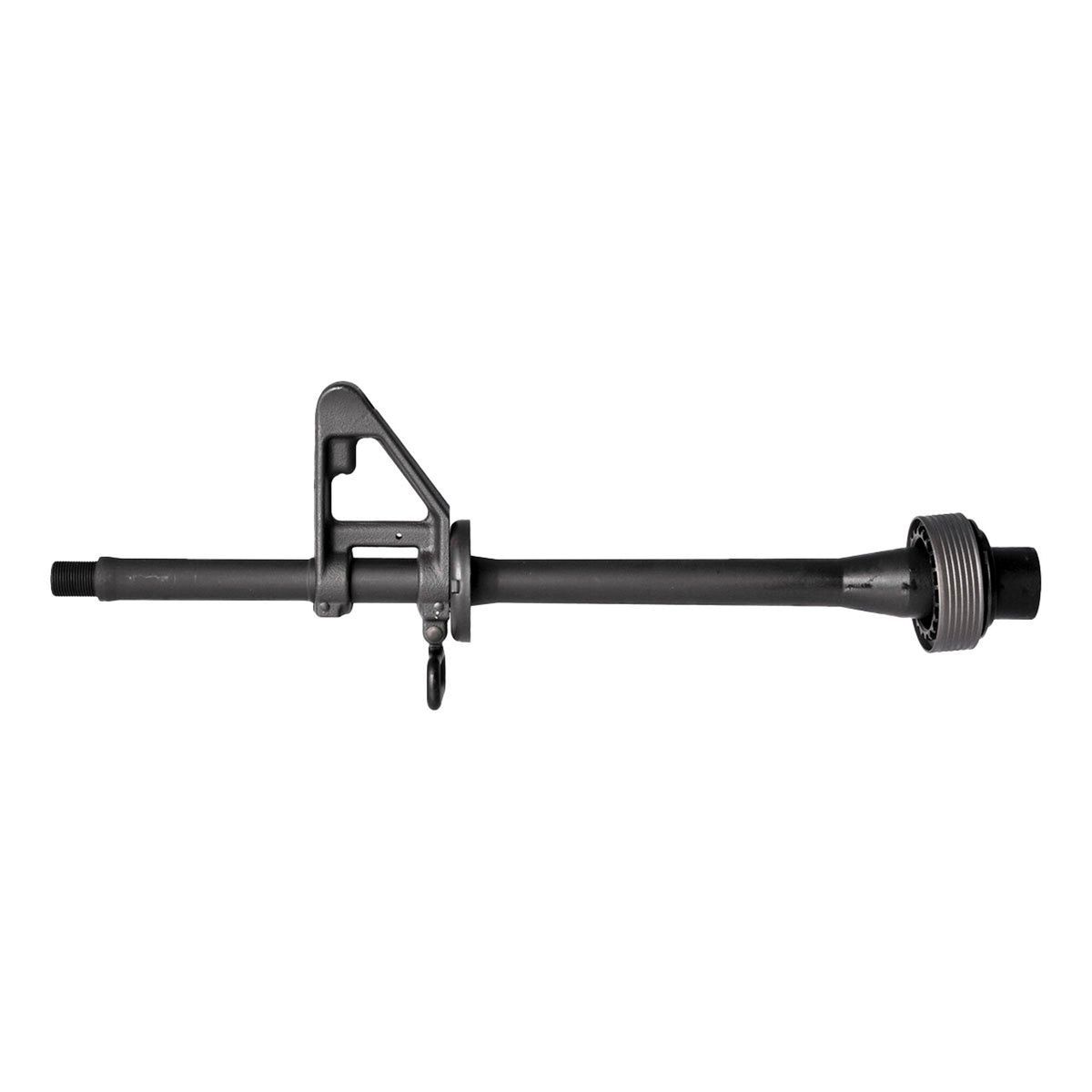
    What Is the AR-15 Gas System?

    The AR-15 operates using a direct impingement gas system (in most standard builds). When you fire a round:

    1. Gas travels down the barrel.

    2. A small portion is redirected through a gas port.

    3. That gas travels through the gas tube.

    4. It cycles the bolt carrier group.

    5. The rifle ejects the spent casing and chambers the next round.

    The length of the gas system determines how far down the barrel the gas port is located โ€” and that directly affects recoil impulse and pressure.

    โธป

    The Three Main Gas System Lengths

    1. Carbine-Length Gas System

    โ€ข Typically paired with 14.5โ€ or 16โ€ barrels

    โ€ข Shorter gas system

    โ€ข Higher gas pressure

    โ€ข Slightly sharper recoil impulse

    Carbine systems are very reliable and widely used, especially in traditional M4-style rifles. However, because the gas port is closer to the chamber, pressure is higher when the bolt cycles.

    Pros:

    โ€ข Extremely reliable

    โ€ข Common and widely available

    Cons:

    โ€ข Slightly harsher recoil

    โ€ข More wear over time compared to mid-length

    โธป

    2. Mid-Length Gas System

    โ€ข Most common on modern 16โ€ barrels

    โ€ข Gas port sits farther down the barrel

    โ€ข Lower pressure at the gas port

    โ€ข Smoother recoil impulse

    Mid-length systems are widely considered the sweet spot for 16โ€ AR-15 rifles.

    Pros:

    โ€ข Smoother shooting

    โ€ข Less parts wear

    โ€ข Improved recoil impulse

    Cons:

    โ€ข Slightly less common than carbine on older builds

    If youโ€™re buying a 16โ€ AR-15 today, mid-length is generally preferred.

    โธป

    3. Rifle-Length Gas System

    โ€ข Typically used on 18โ€ or 20โ€ barrels

    โ€ข Longest gas system

    โ€ข Lowest gas pressure at the port

    โ€ข Very smooth recoil

    Rifle-length systems are standard on longer precision-oriented builds.

    Pros:

    โ€ข Very smooth cycling

    โ€ข Ideal for longer barrels

    โ€ข Reduced bolt speed

    Cons:

    โ€ข Requires longer barrel length

    โธป

    How Gas System Length Affects Shooting

    Gas system length affects:

    โ€ข Recoil impulse

    โ€ข Bolt speed

    โ€ข Reliability

    โ€ข Parts wear

    โ€ข Suppressor performance

    Shorter gas systems = higher pressure and faster cycling.

    Longer gas systems = smoother operation and reduced stress.

    โธป

    Barrel Length + Gas System Pairing

    Hereโ€™s a simplified breakdown:

    14.5โ€ barrel โ†’ Carbine gas

    16โ€ barrel โ†’ Mid-length gas (recommended)

    18โ€ barrel โ†’ Rifle-length gas

    20โ€ barrel โ†’ Rifle-length gas

    This is why barrel length and gas system discussions go hand-in-hand.

    To check out our deep dive on barrel length, take a look here:

    AR-15 Barrel Length Guide: 16โ€ณ vs 18โ€ณ vs 20โ€ณ โ€” What Should You Choose?

    โธป

    What Should You Choose?

    For most buyers:

    If youโ€™re buying a 16โ€ rifle โ†’ Choose mid-length gas.

    If youโ€™re building a precision 18โ€ or 20โ€ โ†’ Choose rifle-length.

    If youโ€™re going short (under 16โ€) โ†’ Carbine gas is common.

    For the average civilian shooter, mid-length on a 16โ€ rifle is the most balanced setup.

    โธป

    Final Thoughts

    The gas system may not be as visible as rails or optics, but it plays a major role in how your rifle feels and performs.

    If youโ€™re building a well-rounded AR-15:

    โ€ข Pair the right barrel length with the right gas system

    โ€ข Choose mid-length on a 16โ€ rifle

    โ€ข Go rifle-length for longer builds

    When configured properly, an AR-15 can be extremely smooth, reliable, and durable.

    Not Sure Which AR-15 Setup Is Right for You?

    For a complete breakdown of barrel lengths, twist rates, and rail options, read our full guide:

    The Ultimate AR-15 Buyerโ€™s Guide (2026): What You Need to Know Before You Buy

  • AR-15 Barrel Length Guide: 16โ€ณ vs 18โ€ณ vs 20โ€ณ โ€” What Should You Choose?

    AR-15 Barrel Length Guide: 16โ€ณ vs 18โ€ณ vs 20โ€ณ โ€” What Should You Choose?

    When buying an AR-15, barrel length is one of the most important decisions youโ€™ll make. It affects velocity, recoil impulse, weight, handling, and overall purpose.

    Most civilian AR-15 rifles come in 16-inch, 18-inch, or 20-inch configurations. While the differences may seem minor, each length serves a slightly different role.

    Letโ€™s break down what actually matters.

    โธป

    Why Barrel Length Matters

    Barrel length influences:

    โ€ข Bullet velocity

    โ€ข Effective range

    โ€ข Weight and balance

    โ€ข Gas system tuning

    โ€ข Overall maneuverability

    Longer barrels generally produce higher velocity. Shorter barrels are lighter and more compact.

    But more velocity does not automatically mean โ€œbetter.โ€

    It depends on what youโ€™re using the rifle for.

    โธป

    16-Inch Barrel: The Standard Choice

    The 16-inch barrel is by far the most common AR-15 length in the United States.

    Why?

    Because under federal law, 16 inches is the minimum legal barrel length for a rifle without requiring special NFA paperwork.

    Pros

    โ€ข Most versatile length

    โ€ข Lightweight and maneuverable

    โ€ข Plenty of velocity for typical civilian use

    โ€ข Widely available

    โ€ข Broad accessory compatibility

    Best For

    โ€ข General purpose use

    โ€ข Home defense

    โ€ข Range shooting

    โ€ข Training

    For most people, a 16-inch AR-15 is the right choice. It balances performance and handling extremely well.

    โธป

    18-Inch Barrel: Precision-Oriented Setup

    An 18-inch barrel adds a bit more velocity and sight radius (if using irons), while still staying relatively manageable.

    Youโ€™ll often see 18-inch barrels on rifles marketed for precision or โ€œSPRโ€ style builds.

    Pros

    โ€ข Slightly higher velocity than 16โ€ณ

    โ€ข Smoother recoil impulse (often mid or rifle-length gas)

    โ€ข Improved long-range consistency

    Best For

    โ€ข Target shooting

    โ€ข Precision builds

    โ€ข Longer-distance range work

    The difference between 16โ€ณ and 18โ€ณ is not massive โ€” but precision shooters often prefer the slight edge.

    โธป

    20-Inch Barrel: Classic Full-Length Rifle

    The 20-inch barrel is the traditional configuration originally used in early military rifles.

    It offers the highest velocity of the three options.

    Pros

    โ€ข Maximum velocity for 5.56

    โ€ข Excellent ballistic performance

    โ€ข Often paired with rifle-length gas systems

    Cons

    โ€ข Longer and heavier

    โ€ข Less maneuverable in tight spaces

    Best For

    โ€ข Traditional rifle builds

    โ€ข Longer-range shooting

    โ€ข Enthusiasts who prefer classic configurations

    For many modern buyers, 20โ€ณ feels long. But for range work, it performs extremely well.

    โธป

    Velocity Differences (What to Expect)

    While exact numbers vary depending on ammunition, expect roughly:

    โ€ข 16โ€ณ barrel: baseline velocity

    โ€ข 18โ€ณ barrel: slightly higher velocity

    โ€ข 20โ€ณ barrel: modest additional increase

    The increase is incremental โ€” not dramatic.

    For most civilian shooters inside common engagement distances, 16โ€ณ performs extremely well.

    โธป

    Weight and Handling Differences

    This is often more noticeable than velocity.

    Longer barrels:

    โ€ข Add forward weight

    โ€ข Shift balance toward the muzzle

    โ€ข Reduce maneuverability in confined areas

    Shorter barrels:

    โ€ข Feel quicker

    โ€ข Transition between targets faster

    โ€ข Are easier to store and transport

    If you value agility, 16โ€ณ is usually ideal.

    โธป

    So Which One Should You Choose?

    For most buyers:

    16โ€ณ is the smartest and most versatile option.

    Choose 18โ€ณ if:

    โ€ข You prioritize precision

    โ€ข You shoot at longer distances regularly

    Choose 20โ€ณ if:

    โ€ข You want maximum velocity

    โ€ข You prefer a traditional full-length rifle feel

    There is no universally โ€œbestโ€ barrel length โ€” only the one that matches your intended use.

    โธป

    Final Thoughts

    Barrel length should align with your goals, not internet debates.

    If this is your first AR-15, start with a 16โ€ณ configuration. It offers the broadest capability with minimal downsides.

    As you gain experience, you can always explore more specialized setups.

    Not Sure Which AR-15 Setup Is Right for You?

    For a complete breakdown of gas systems, twist rates, and rail options, read our full guide:

    The Ultimate AR-15 Buyerโ€™s Guide (2026): What You Need to Know Before You Buy

  • M-LOK vs Picatinny: Which AR-15 Rail System Is Right for You?

    M-LOK vs Picatinny: Which AR-15 Rail System Is Right for You?

    When shopping for an AR-15, one of the most common points of confusion is the rail system. Should you choose M-LOK? Picatinny? KeyMod? Do you need full rails or just attachment slots?

    Understanding the differences will help you choose a setup that fits your shooting style, budget, and intended use.

    โธป

    What Is a Rail System on an AR-15?

    The rail system is typically part of the handguard and allows you to attach accessories such as:

    โ€ข Optics

    โ€ข Weapon lights

    โ€ข Foregrips

    โ€ข Bipods

    โ€ข Laser aiming devices

    โ€ข Sling mounts

    There are two main types youโ€™ll encounter today: Picatinny rail and M-LOK.

    โธป

    What Is Picatinny Rail?

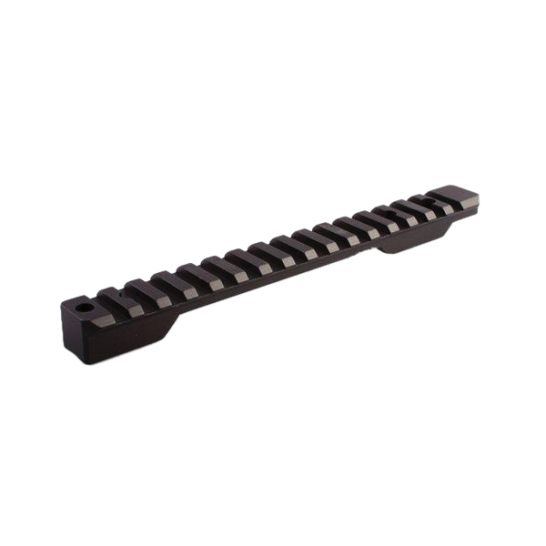
    Picatinny rail (also known as MIL-STD-1913 rail) is the older, traditional rail system. It consists of raised ridges with standardized spacing that allow accessories to clamp directly onto the rail.

    Pros of Picatinny

    โ€ข Extremely strong and durable

    โ€ข Universal compatibility

    โ€ข Easy to mount accessories

    โ€ข Proven military standard

    Cons of Picatinny

    โ€ข Heavier than modern systems

    โ€ข Bulkier profile

    โ€ข Less comfortable to grip

    โ€ข Can require rail covers for comfort

    Picatinny rails are commonly found on the top of AR-15 receivers for mounting optics. Some older handguards feature quad rails (Picatinny on all four sides).

    โธป

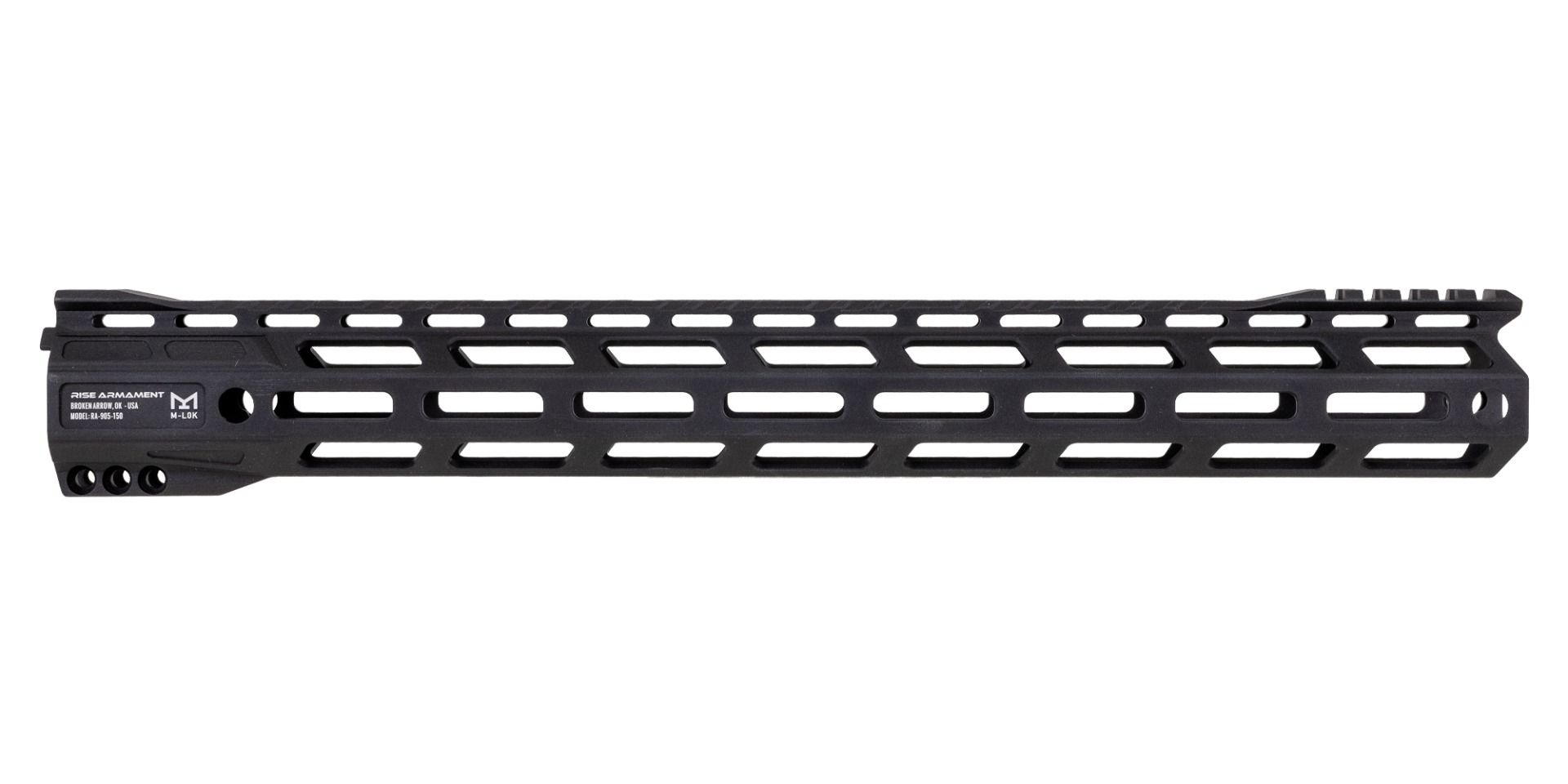
    What Is M-LOK?

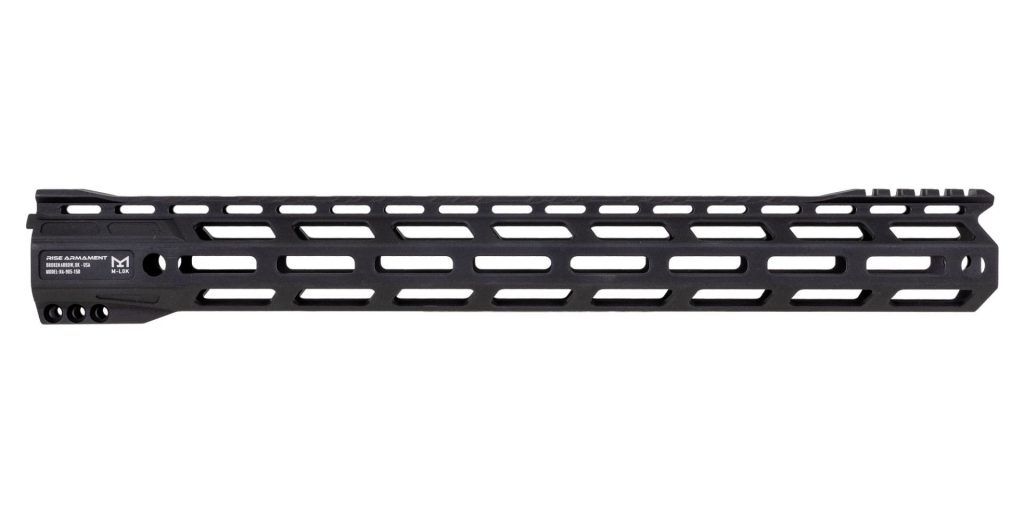
    M-LOK (Modular Lock) is a newer attachment system developed by Magpul. Instead of raised rails, M-LOK uses elongated slots cut directly into the handguard.

    Accessories attach using T-nuts that lock into these slots.

    Pros of M-LOK

    โ€ข Lighter weight

    โ€ข Slimmer profile

    โ€ข More comfortable to hold

    โ€ข Allows mounting only where needed

    โ€ข Cleaner overall look

    Cons of M-LOK

    โ€ข Requires M-LOK compatible accessories

    โ€ข Slightly more installation effort than clamp-on rails

    Most modern AR-15s now use M-LOK because it reduces weight while maintaining strength.

    โธป

    KeyMod (Brief Mention)

    KeyMod was another lightweight slot-based system. While still functional, it has largely been replaced by M-LOK in popularity and industry support.

    Most new rifles today use M-LOK instead of KeyMod.

    โธป

    Which Rail System Is Best?

    There is no universal โ€œbest,โ€ but hereโ€™s a practical breakdown:

    Choose Picatinny if:

    โ€ข You want maximum durability

    โ€ข You prefer traditional quad-rail aesthetics

    โ€ข You have many older Picatinny accessories

    โ€ข Weight is not a concern

    Choose M-LOK if:

    โ€ข You want a lighter rifle

    โ€ข You prefer a slimmer handguard

    โ€ข You only mount a few accessories

    โ€ข You want a modern setup

    For most buyers today, M-LOK is the better all-around choice.

    โธป

    Do You Need Rails on All Sides?

    No.

    Most shooters only use:

    โ€ข Top rail (for optic)

    โ€ข One side slot (for light)

    โ€ข Bottom slot (for grip or bipod)

    A full quad-rail system is often unnecessary unless you are running multiple accessories.

    โธป

    Final Recommendation

    If you are buying your first AR-15, a free-float M-LOK handguard offers the best balance of:

    โ€ข Weight

    โ€ข Comfort

    โ€ข Accessory flexibility

    โ€ข Modern compatibility

    However, Picatinny rails remain extremely strong and widely supported.

    โธป

    Not Sure Which AR-15 Setup Is Right for You?

    For a complete breakdown of barrel lengths, gas systems, twist rates, and rail options, read our full guide:

    The Ultimate AR-15 Buyerโ€™s Guide (2026): What You Need to Know Before You Buy

  • The Ultimate AR-15 Buyerโ€™s Guide (2026): What You Need to Know Before You Buy

    The Ultimate AR-15 Buyerโ€™s Guide (2026): What You Need to Know Before You Buy

    The AR-15 remains one of the most popular rifle platforms in the United States in 2026 โ€” valued for its reliability, modular design, and adaptability across a wide range of uses.

    Whether youโ€™re purchasing your first AR-15 or upgrading an existing setup, understanding the key configuration choices will help you avoid common mistakes and choose a rifle that fits your purpose, budget, and long-term needs.

    Recommended Setup for Most Buyers (2026)

    If you want a proven, versatile configuration that works well for most civilian applications, start here:

    โ€ข 16-inch barrel
    โ€ข Mid-length gas system
    โ€ข 5.56 NATO chambering
    โ€ข 1:7 or 1:8 twist rate
    โ€ข Free-float M-LOK handguard
    โ€ข Budget range: $800โ€“$1,200

    This setup offers the best balance of durability, recoil control, ammunition availability, and overall flexibility.

    Want to know when quality AR-15 deals go live?
    Get notified when reputable brands drop pricing on 16-inch 5.56 rifles and related gear.

    AR-15 Price Drop & Restock Alerts

    We monitor pricing from reputable retailers and notify you when quality AR-15 rifles, ammo, and accessories drop in price. No spam. Just legitimate deals.

    Unsubscribe anytime. See our Privacy Policy .

    Hereโ€™s how each component affects your setup.


    What Is an AR-15?

    The AR-15 is a semi-automatic rifle platform originally designed by Armalite. Itโ€™s modular, meaning parts like uppers, barrels, stocks, and optics can be swapped easily. The civilian version fires one round per trigger pull and shares many features with its military counterpart.

    Key characteristics:

    โ€ข Modular design makes customization simple.

    โ€ข Most commonly chambered in .223 Remington / 5.56 NATO.

    โ€ข Used for range shooting, home defense, hunting, and competition.

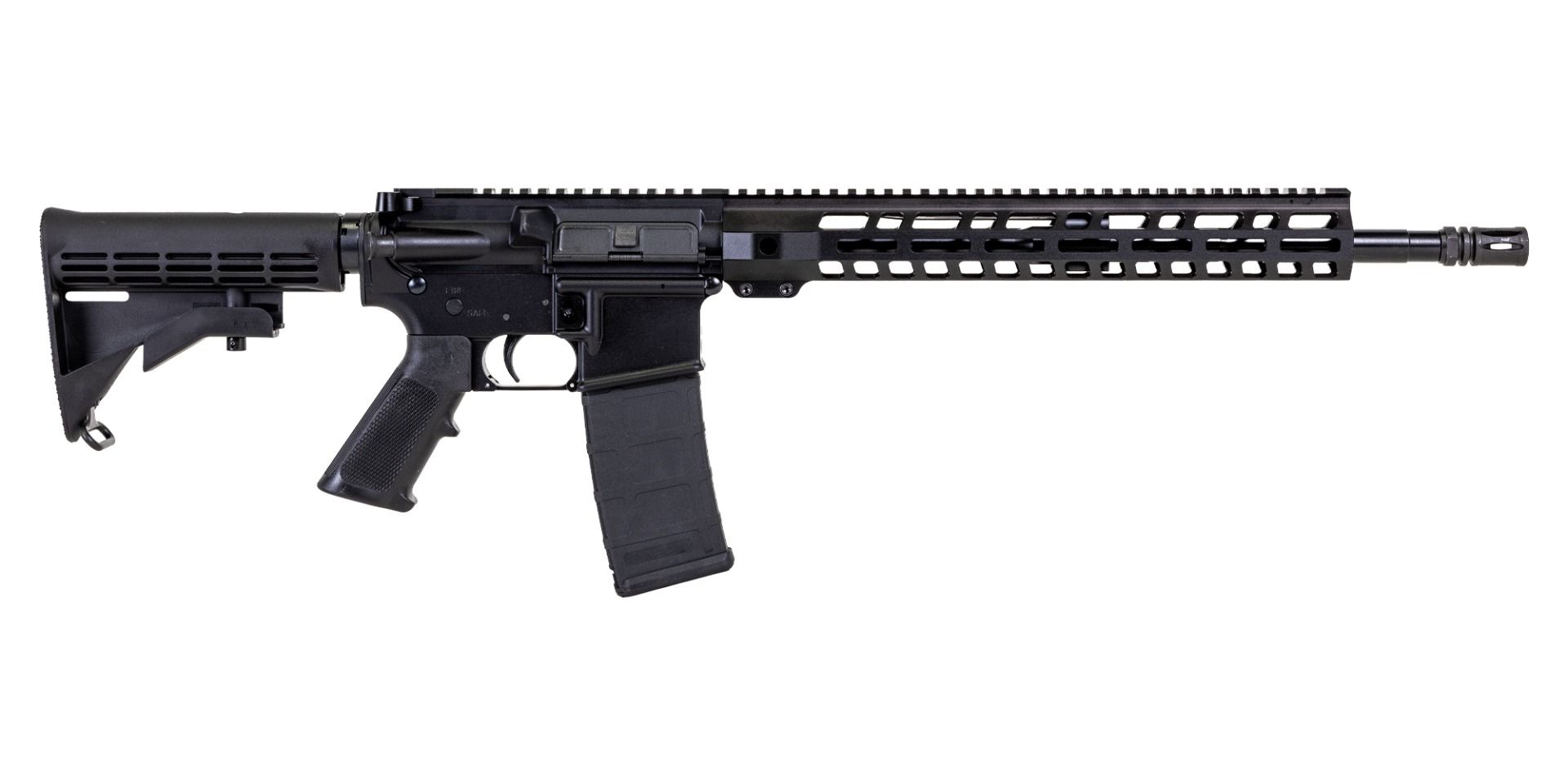
    Example 16-inch AR-15 Configuration

    (Insert the image here using the Image block)

    Define Your Purpose Before You Buy

    Before selecting a rifle, determine how you intend to use it. Your purpose will influence barrel length, rail system, accessories, and budget.

    Common use cases:

    โ€ข Home defense

    โ€ข Target shooting and training

    โ€ข Competition

    โ€ข Hunting

    โ€ข General-purpose ownership

    Caliber and Ammunition

    The most common and beginner-friendly option is .223 Remington / 5.56 NATO. Ammunition is widely available and generally affordable compared to more specialized calibers.

    Other calibers such as .300 AAC Blackout or 6.5 Grendel offer unique advantages but are typically better suited for specific roles.

    Barrel Length Explained

    โ€ข 16 inches โ€” The most versatile and common configuration.

    โ€ข 18โ€“20 inches โ€” Better velocity and longer-range performance.

    โ€ข Under 16 inches โ€” More compact, but may involve additional legal considerations depending on configuration and location.

    For most buyers, a 16-inch barrel offers the best balance of maneuverability and performance.

    Gas System Length

    โ€ข Carbine-length โ€” Common and proven.

    โ€ข Mid-length โ€” Often smoother shooting on 16-inch rifles.

    โ€ข Rifle-length โ€” Typically paired with longer barrels.

    Many modern 16-inch rifles now use mid-length gas systems for improved recoil impulse and durability.

    For a deep dive on this topic, see our in depth barrel guide:

    AR-15 Barrel Length Guide: 16โ€ณ vs 18โ€ณ vs 20โ€ณ โ€” What Should You Choose?

    Rail Systems and Accessory Mounting

    Modern AR-15 rifles commonly feature modular handguards that allow attachment of lights, grips, and other accessories.

    Not sure which rail system to choose?

    Read our complete guide comparing M-LOK, Picatinny, and KeyMod rail systems

    Barrel Twist Rate

    โ€ข 1:7 โ€” Stabilizes heavier bullets.

    โ€ข 1:8 โ€” Very versatile and widely recommended.

    โ€ข 1:9 โ€” Often suited to lighter bullet weights.

    For most buyers, 1:7 or 1:8 provides excellent flexibility.

    Buy Complete or Build Your Own?

    Buying a complete rifle is typically the best option for first-time buyers because it reduces compatibility issues and includes warranty support.

    Building allows full customization but requires understanding component compatibility and proper assembly.

    Budget Considerations

    โ€ข $700โ€“$1,000 โ€” Entry-level, solid starter rifles.

    โ€ข $1,000โ€“$1,600 โ€” Upgraded components and improved fit and finish.

    โ€ข $1,600+ โ€” Premium builds with enhanced materials and performance features.

    Prioritize reliability over cosmetic features.

    Essential Accessories

    โ€ข Optic (red dot or LPVO)

    โ€ข Weapon light

    โ€ข Sling

    โ€ข Quality magazines

    โ€ข Cleaning kit

    Plan for these additional costs when budgeting for your rifle.

    Legal and Safety Considerations

    Always follow all applicable federal, state, and local laws regarding firearm purchase and configuration. Consult knowledgeable professionals if unsure.

    Safety basics:

    โ€ข Treat every firearm as loaded.

    โ€ข Keep your finger off the trigger until ready to fire.

    โ€ข Never point the muzzle at anything you are not willing to destroy.

    โ€ข Know your target and what is beyond it.

    Final Thoughts

    An AR-15 should match your intended use, feel comfortable, and operate reliably. Decide your purpose first, choose quality components, and build your setup deliberately rather than chasing trends.

    Related AR-15 Guides