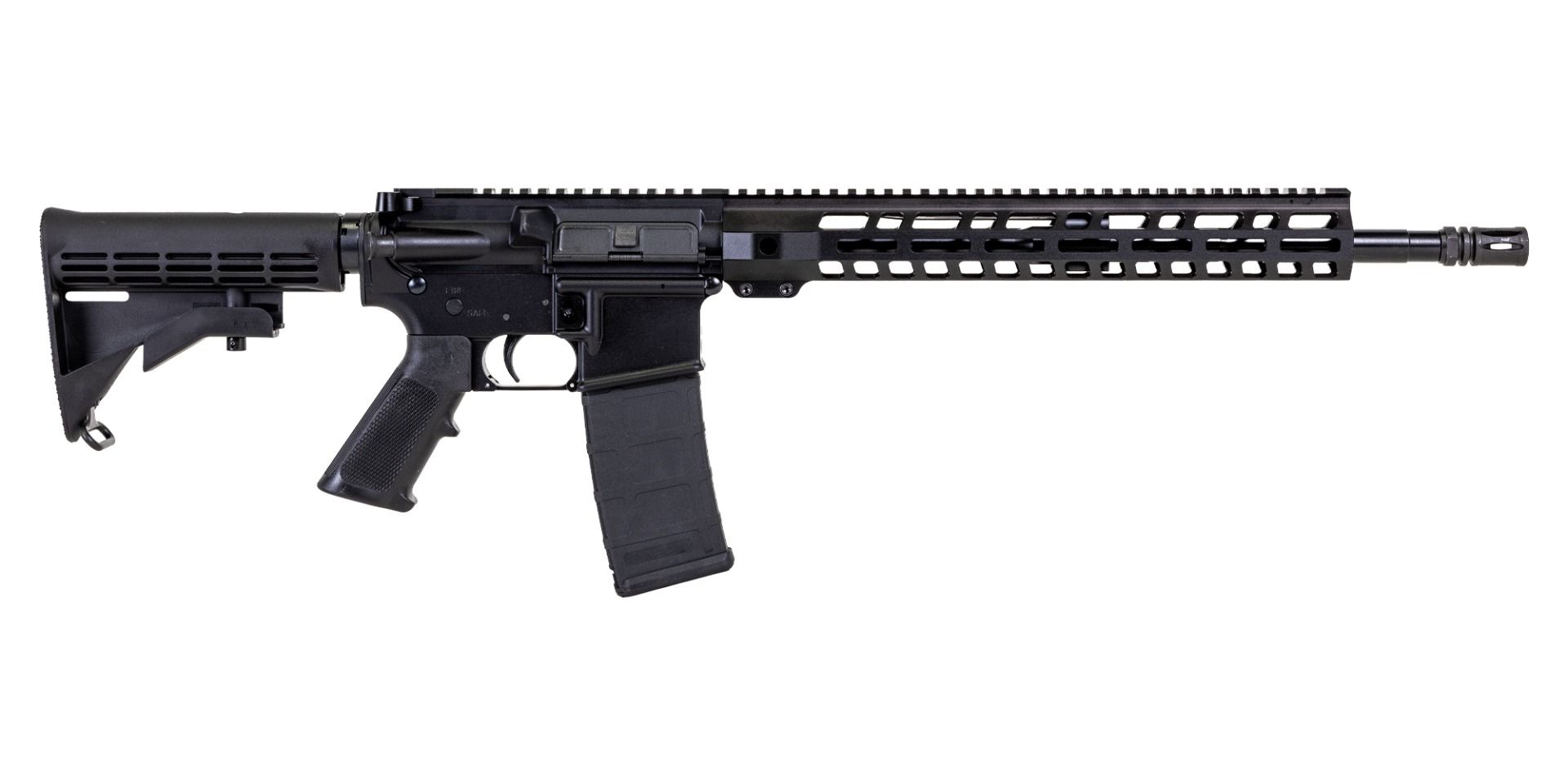
The AR-15 remains one of the most popular rifle platforms in the United States in 2026 — valued for its reliability, modular design, and adaptability across a wide range of uses.
Whether you’re purchasing your first AR-15 or upgrading an existing setup, understanding the key configuration choices will help you avoid common mistakes and choose a rifle that fits your purpose, budget, and long-term needs.
Recommended Setup for Most Buyers (2026)
If you want a proven, versatile configuration that works well for most civilian applications, start here:
• 16-inch barrel
• Mid-length gas system
• 5.56 NATO chambering
• 1:7 or 1:8 twist rate
• Free-float M-LOK handguard
• Budget range: $800–$1,200
This setup offers the best balance of durability, recoil control, ammunition availability, and overall flexibility.
Here’s how each component affects your setup.
What Is an AR-15?
The AR-15 is a semi-automatic rifle platform originally designed by Armalite. It’s modular, meaning parts like uppers, barrels, stocks, and optics can be swapped easily. The civilian version fires one round per trigger pull and shares many features with its military counterpart.
Key characteristics:
• Modular design makes customization simple.
• Most commonly chambered in .223 Remington / 5.56 NATO.
• Used for range shooting, home defense, hunting, and competition.
Example 16-inch AR-15 Configuration
(Insert the image here using the Image block)
Define Your Purpose Before You Buy
Before selecting a rifle, determine how you intend to use it. Your purpose will influence barrel length, rail system, accessories, and budget.
Common use cases:
• Home defense
• Target shooting and training
• Competition
• Hunting
• General-purpose ownership
Caliber and Ammunition
The most common and beginner-friendly option is .223 Remington / 5.56 NATO. Ammunition is widely available and generally affordable compared to more specialized calibers.
Other calibers such as .300 AAC Blackout or 6.5 Grendel offer unique advantages but are typically better suited for specific roles.
Barrel Length Explained
• 16 inches — The most versatile and common configuration.
• 18–20 inches — Better velocity and longer-range performance.
• Under 16 inches — More compact, but may involve additional legal considerations depending on configuration and location.
For most buyers, a 16-inch barrel offers the best balance of maneuverability and performance.
Gas System Length
• Carbine-length — Common and proven.
• Mid-length — Often smoother shooting on 16-inch rifles.
• Rifle-length — Typically paired with longer barrels.
Many modern 16-inch rifles now use mid-length gas systems for improved recoil impulse and durability.
For a deep dive on this topic, see our in depth barrel guide:
AR-15 Barrel Length Guide: 16″ vs 18″ vs 20″ — What Should You Choose?
Rail Systems and Accessory Mounting
Modern AR-15 rifles commonly feature modular handguards that allow attachment of lights, grips, and other accessories.
Not sure which rail system to choose?
Read our complete guide comparing M-LOK, Picatinny, and KeyMod rail systems
Barrel Twist Rate
• 1:7 — Stabilizes heavier bullets.
• 1:8 — Very versatile and widely recommended.
• 1:9 — Often suited to lighter bullet weights.
For most buyers, 1:7 or 1:8 provides excellent flexibility.
Buy Complete or Build Your Own?
Buying a complete rifle is typically the best option for first-time buyers because it reduces compatibility issues and includes warranty support.
Building allows full customization but requires understanding component compatibility and proper assembly.
Budget Considerations
• $700–$1,000 — Entry-level, solid starter rifles.
• $1,000–$1,600 — Upgraded components and improved fit and finish.
• $1,600+ — Premium builds with enhanced materials and performance features.
Prioritize reliability over cosmetic features.
Essential Accessories
• Optic (red dot or LPVO)
• Weapon light
• Sling
• Quality magazines
• Cleaning kit
Plan for these additional costs when budgeting for your rifle.
Best AR-15 Picks by Budget: Quick Recommendations
Choosing an AR-15 gets much easier once you break rifles down by budget and intended use. A first-time buyer does not need the same setup as someone looking for a higher-end rifle, and most people fall somewhere in between.
If you just want a clear starting point, use the picks below.
Best Budget AR-15 under $600 (Best Value Pick): PSA 16” Mid-Length M-LOK Stealth Rifle
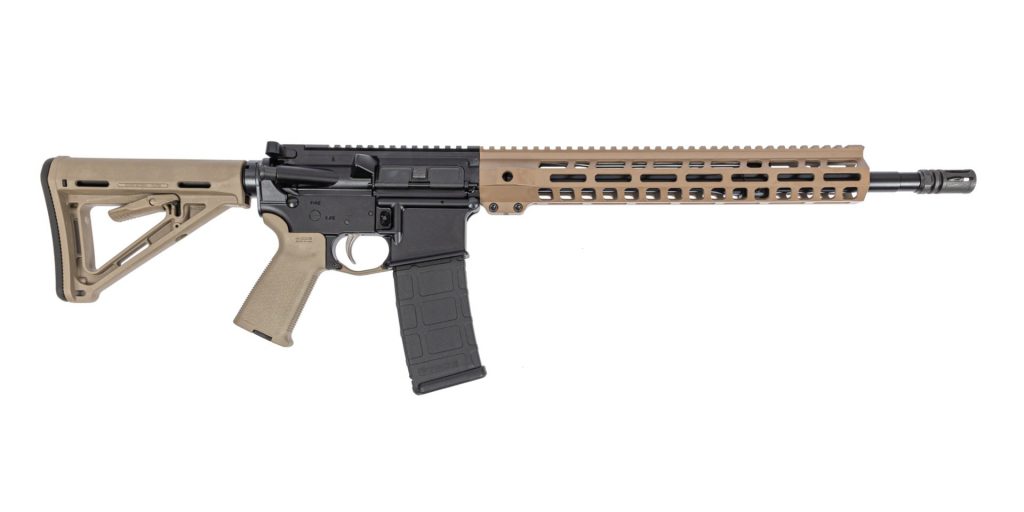
If you are buying your first AR-15 or trying to stay on a budget, this PSA 16” Mid-Length M-LOK Stealth Rifle is one of the best starting points. It offers features that are typically found on more expensive rifles, making it a strong value choice.
Best for:
- First-time AR-15 buyers
- Budget-conscious shooters
- Home defense and range use
- Buyers who want a more modern setup out of the box
Why it stands out:
Unlike older entry-level rifles, this model includes a mid-length gas system for smoother recoil, a free-float M-LOK rail for better accuracy and accessory mounting, and a nitride-treated barrel for durability. It also avoids the traditional front sight post, making it easier to run optics.
Check current pricing and availability:
More price tier options coming soon.
Final Thoughts
An AR-15 should match your intended use, feel comfortable, and operate reliably. Decide your purpose first, choose quality components, and build your setup deliberately rather than chasing trends.
Related AR-15 Guides
Leave a Reply
You must be logged in to post a comment.