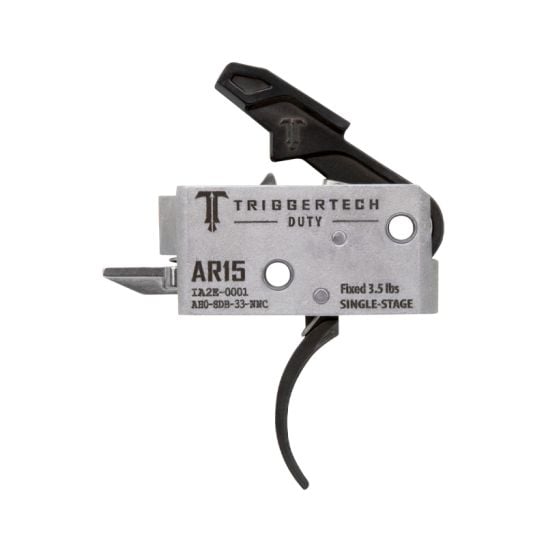
One of the most noticeable upgrades you can make to an AR-15 is the trigger.
While many factory rifles come with a standard “mil-spec” trigger, upgrading your trigger can dramatically improve accuracy, control, and overall shooting experience.
In this guide, we’ll break down:
• Mil-Spec Triggers
• Drop-In Triggers
• Single-Stage vs Two-Stage
• What actually matters for most shooters
⸻
1. What Is a Mil-Spec Trigger?
A mil-spec trigger is the standard trigger found in most factory AR-15 rifles.
Typical Characteristics:
• 5.5–8 lb pull weight
• Noticeable creep
• Gritty break
• Reliable and durable
Pros:
• Affordable
• Extremely durable
• Good for defensive use
• Reliable in harsh conditions
Cons:
• Heavy pull weight
• Less precise
• Not ideal for precision shooting
Best For:
• Budget builds
• Defensive rifles
• Shooters who don’t mind a heavier pull
For most casual shooters, a quality mil-spec trigger is perfectly usable.
⸻
2. Single-Stage vs Two-Stage Triggers
This is where many buyers get confused.
Single-Stage Trigger
A single-stage trigger has one consistent pull until it breaks.
Feel: Smooth pull → break.
Pros:
• Fast
• Simple
• Great for close-range shooting
Best For:
• Home defense
• Tactical builds
• Range use
⸻
Two-Stage Trigger
A two-stage trigger has:
1. A light first stage (take-up)
2. A defined second stage break
Feel: Light take-up → wall → crisp break.
Pros:
• More control
• Better for precision
• Cleaner break
Best For:
• 18” or 20” builds
• Precision shooting
• Hunting
If you’re pairing your rifle with an LPVO, a two-stage trigger often makes sense.
⸻
3. Drop-In Triggers (Cassette Style)
Drop-in triggers come as a self-contained unit that installs easily into your lower receiver.
Pros:
• Very crisp break
• Easy installation
• Consistent pull weight
• Often lighter (3–4.5 lb)
Cons:
• More expensive
• Not always necessary for casual shooters
Best For:
• Precision builds
• Competitive shooting
• Shooters who want the cleanest break possible
⸻
4. Pull Weight: How Light Is Too Light?
For most AR-15 builds:
• 5–6 lbs → Safe and versatile
• 3.5–4.5 lbs → Precision-focused
• Under 3 lbs → Specialized use only
For defensive rifles, extremely light triggers are usually unnecessary.
⸻
5. Do You Actually Need to Upgrade?
Here’s the honest answer:
If you’re shooting casually at the range and running a red dot — probably not.
If you’re stretching your rifle to 300–500 yards with magnification — yes, a better trigger can absolutely help.
Triggers become more important as:
• Barrel length increases
• Magnification increases
• Precision expectations increase
This ties directly into your barrel length and optic choice.
⸻
What Should You Choose?
Keep Mil-Spec If:
• You’re on a budget
• You’re building a defensive rifle
• You don’t care about precision groups
Upgrade to Single-Stage If:
• You want smoother shooting
• You value speed
Upgrade to Two-Stage If:
• You’re building a precision rifle
• You shoot longer distances
⸻
Final Thoughts
A trigger upgrade won’t magically make you a better shooter — but it can make your rifle feel dramatically better.
For most 16” general-purpose AR-15 builds, a quality 4.5–5 lb single-stage or two-stage trigger is the sweet spot.
Not Sure Which AR-15 Setup Is Right for You?
For a complete breakdown of barrel lengths, twist rates, and rail options, read our full guide:
The Ultimate AR-15 Buyer’s Guide (2026): What You Need to Know Before You Buy
Leave a Reply
You must be logged in to post a comment.