⸻
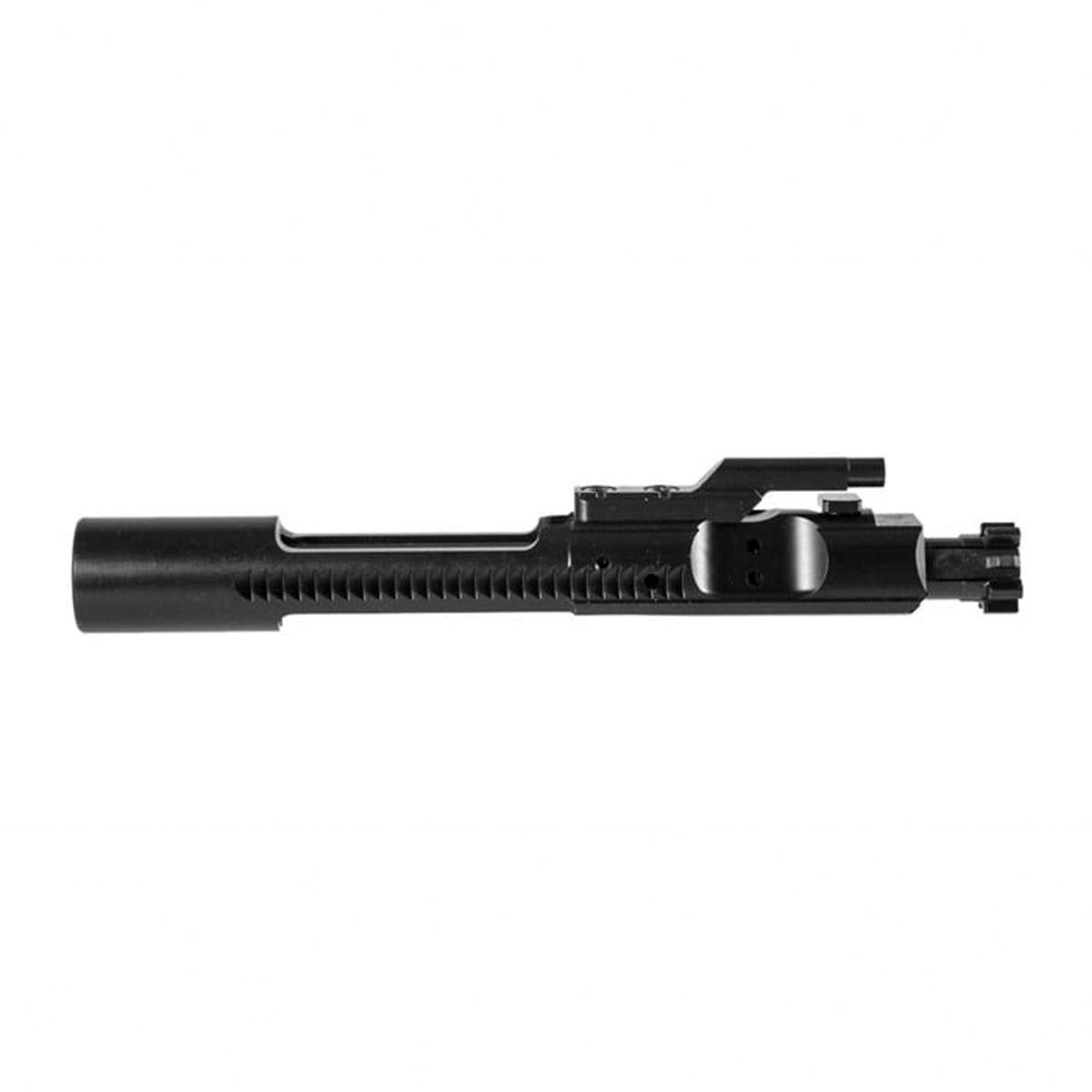
The bolt carrier group (BCG) is the heart of your AR-15.
It handles chambering, firing, extracting, and ejecting every round. If your BCG fails, your rifle fails.
While it’s not the most exciting upgrade, it’s one of the most important components in terms of reliability and longevity.
In this guide, we’ll break down:
• What a BCG actually does
• The difference between M16 and AR-15 BCGs
• Proper materials and coatings
• What specs actually matter
• What to avoid
⸻
What Does the Bolt Carrier Group Do?
The BCG performs four critical functions:
1. Strips a round from the magazine
2. Chambers the round
3. Fires the round (via the firing pin)
4. Extracts and ejects the spent casing
It cycles back and forth every time you pull the trigger. It absorbs heat, pressure, and stress with every shot.
That’s why quality matters.
⸻
M16 vs AR-15 Bolt Carrier
You’ll often see “M16 BCG” listed for sale.
Here’s what that means:
• An M16 BCG has slightly more mass at the rear
• It’s generally considered more durable
• It works perfectly fine in a semi-auto AR-15
For most buyers, an M16-profile BCG is preferred because the added mass can slightly improve reliability and smoothness.
There is no downside in a standard AR-15 build.
⸻
Materials That Matter
The best BCGs use:
• Carpenter 158 steel (for the bolt)
• 9310 steel (acceptable alternative)
• Proper heat treatment
• Shot peening
• High Pressure Tested (HPT)
• Magnetic Particle Inspected (MPI)
If a manufacturer doesn’t list these specs, that’s a red flag.
This is not the place to cut corners.
⸻
Gas Key & Staking (Very Important)
The gas key must be:
• Properly staked
• Securely attached
• Aligned correctly
Poor staking is one of the most common causes of failures in cheaper rifles.
If the screws loosen, your rifle stops cycling properly.
Good staking = long-term reliability.
⸻
Coatings: Do They Matter?
You’ll see several coating options:
• Phosphate (standard mil-spec)
• Nitride
• Nickel Boron (NiB)
• DLC / premium coatings
For most users:
Phosphate or nitride is completely fine.
Nickel Boron can make cleaning easier but isn’t required for performance.
Reliability > flashy coating.
⸻
When Should You Upgrade Your BCG?
Upgrade if:
• You’re building from scratch
• Your rifle came with an unknown budget BCG
• You want improved long-term durability
If your current BCG runs reliably and meets proper specs, there’s no urgent need to replace it.
⸻
How This Connects to Your Build
The BCG works closely with:
• Your gas system length
• Your buffer weight
• Your barrel length
• Your overall tuning
This is why AR-15 components should be chosen as a system — not randomly.
⸻
What Should You Choose?
For most buyers:
• M16 profile
• Carpenter 158 bolt
• HPT/MPI tested
• Proper staking
• Phosphate or nitride finish
That gives you reliability without overspending.
⸻
Not Sure Which AR-15 Setup Is Right for You?
For a complete breakdown of gas systems, twist rates, and rail options, read our full guide:
The Ultimate AR-15 Buyer’s Guide (2026): What You Need to Know Before You Buy
Related Articles
• Buffer Weight Guide
Leave a Reply
You must be logged in to post a comment.