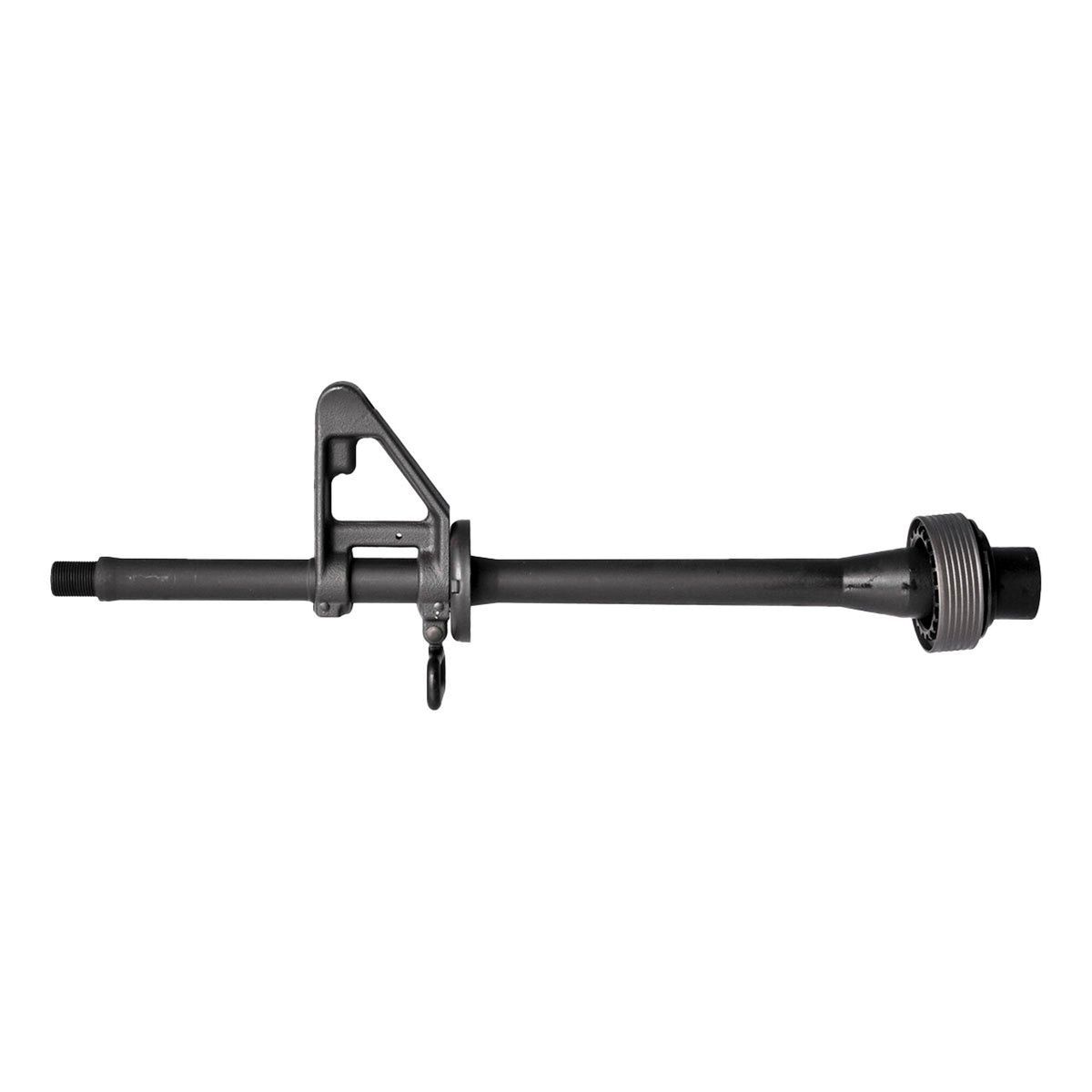
When buying an AR-15, barrel length is one of the most important decisions you’ll make. It affects velocity, recoil impulse, weight, handling, and overall purpose.
Most civilian AR-15 rifles come in 16-inch, 18-inch, or 20-inch configurations. While the differences may seem minor, each length serves a slightly different role.
Let’s break down what actually matters.
⸻
Why Barrel Length Matters
Barrel length influences:
• Bullet velocity
• Effective range
• Weight and balance
• Gas system tuning
• Overall maneuverability
Longer barrels generally produce higher velocity. Shorter barrels are lighter and more compact.
But more velocity does not automatically mean “better.”
It depends on what you’re using the rifle for.
⸻
16-Inch Barrel: The Standard Choice
The 16-inch barrel is by far the most common AR-15 length in the United States.
Why?
Because under federal law, 16 inches is the minimum legal barrel length for a rifle without requiring special NFA paperwork.
Pros
• Most versatile length
• Lightweight and maneuverable
• Plenty of velocity for typical civilian use
• Widely available
• Broad accessory compatibility
Best For
• General purpose use
• Home defense
• Range shooting
• Training
For most people, a 16-inch AR-15 is the right choice. It balances performance and handling extremely well.
⸻
18-Inch Barrel: Precision-Oriented Setup
An 18-inch barrel adds a bit more velocity and sight radius (if using irons), while still staying relatively manageable.
You’ll often see 18-inch barrels on rifles marketed for precision or “SPR” style builds.
Pros
• Slightly higher velocity than 16″
• Smoother recoil impulse (often mid or rifle-length gas)
• Improved long-range consistency
Best For
• Target shooting
• Precision builds
• Longer-distance range work
The difference between 16″ and 18″ is not massive — but precision shooters often prefer the slight edge.
⸻
20-Inch Barrel: Classic Full-Length Rifle
The 20-inch barrel is the traditional configuration originally used in early military rifles.
It offers the highest velocity of the three options.
Pros
• Maximum velocity for 5.56
• Excellent ballistic performance
• Often paired with rifle-length gas systems
Cons
• Longer and heavier
• Less maneuverable in tight spaces
Best For
• Traditional rifle builds
• Longer-range shooting
• Enthusiasts who prefer classic configurations
For many modern buyers, 20″ feels long. But for range work, it performs extremely well.
⸻
Velocity Differences (What to Expect)
While exact numbers vary depending on ammunition, expect roughly:
• 16″ barrel: baseline velocity
• 18″ barrel: slightly higher velocity
• 20″ barrel: modest additional increase
The increase is incremental — not dramatic.
For most civilian shooters inside common engagement distances, 16″ performs extremely well.
⸻
Weight and Handling Differences
This is often more noticeable than velocity.
Longer barrels:
• Add forward weight
• Shift balance toward the muzzle
• Reduce maneuverability in confined areas
Shorter barrels:
• Feel quicker
• Transition between targets faster
• Are easier to store and transport
If you value agility, 16″ is usually ideal.
⸻
So Which One Should You Choose?
For most buyers:
16″ is the smartest and most versatile option.
Choose 18″ if:
• You prioritize precision
• You shoot at longer distances regularly
Choose 20″ if:
• You want maximum velocity
• You prefer a traditional full-length rifle feel
There is no universally “best” barrel length — only the one that matches your intended use.
⸻
Final Thoughts
Barrel length should align with your goals, not internet debates.
If this is your first AR-15, start with a 16″ configuration. It offers the broadest capability with minimal downsides.
As you gain experience, you can always explore more specialized setups.
Not Sure Which AR-15 Setup Is Right for You?
For a complete breakdown of gas systems, twist rates, and rail options, read our full guide:
The Ultimate AR-15 Buyer’s Guide (2026): What You Need to Know Before You Buy
Leave a Reply
You must be logged in to post a comment.